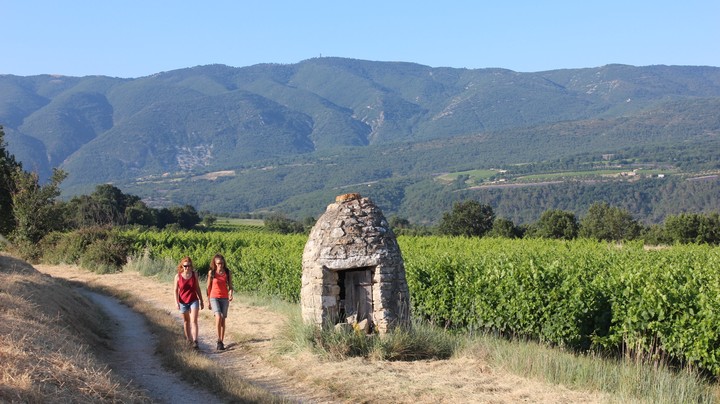
Located just 4km away from the picturesque village of Gordes, nestled on the slopes of the Monts de Vaucluse and gazing upon the magnificent Luberon, lies the captivating village des Bories. Constructed in the early 17th century, this remarkable site stands as a testament to an extraordinary ancient architectural artistry and craftsmanship that has long vanished—a remarkable display of stone layering.
During the 17th and 18th centuries, as new lands were being conquered for cultivation, the extraction of thousands of tons of stones from the earth brought forth a dramatic transformation of the countryside. Vast expanses of “clapas” (extracted stone heaps), walls, enclosures, terraces, and humble huts emerged, bestowing a fresh allure upon the landscape.
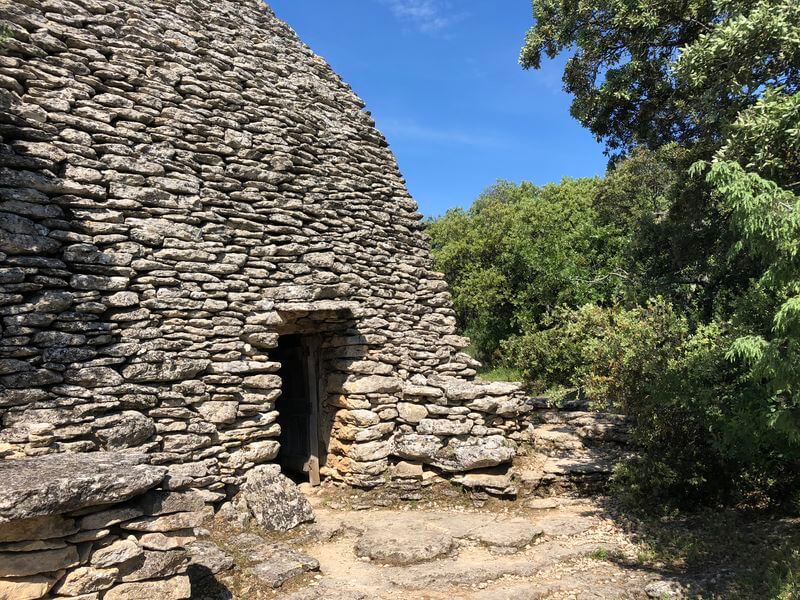
Embarking on a journey through time, the village des Bories offers an extraordinary historical testimony, granting us a glimpse into ancestral ways of life deeply rooted in centuries-old traditions. Within this captivating village, approximately thirty sheds, ancient sheepfolds, bread ovens, and other facilities stand as witnesses to a rich heritage of agricultural and livestock farming activities. These remarkable structures, known as “bories,” were constructed using the technique of dry stone stacking, reminiscent of igloos. Despite their seemingly austere appearance by modern standards, these cabins were inhabited until the mid-19th century.
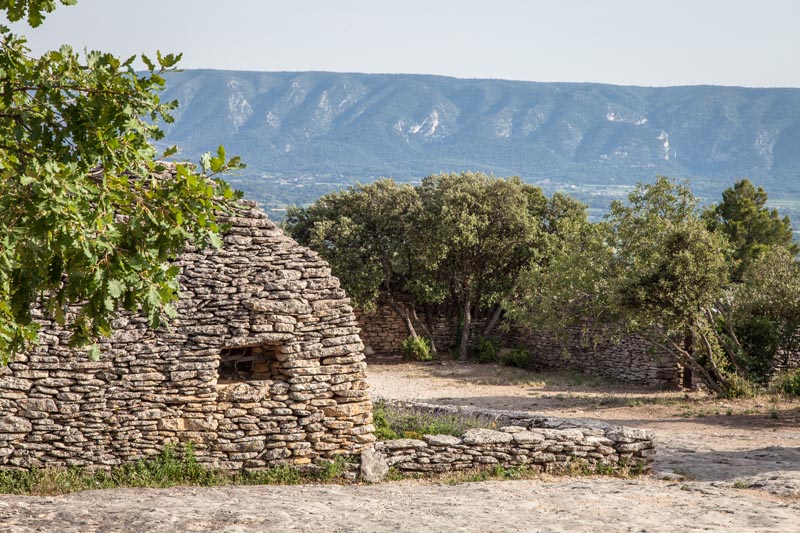
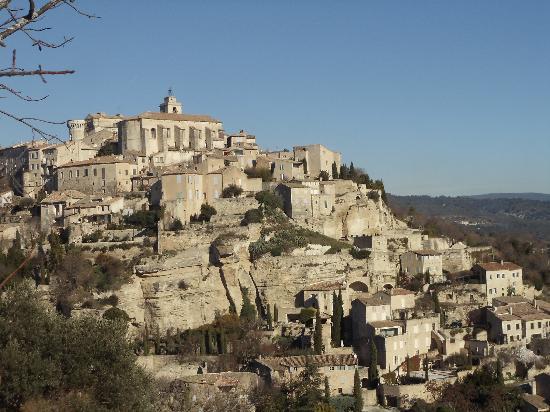
If you’re planning a visit to Gordes during your stay in the enchanting Luberon region, a trip to the village of Bories is highly recommended. Accessible on foot from Gordes, a scenic path awaits, offering breathtaking panoramic views of the rugged slopes of the Vaucluse mountains. Throughout the year, guided tours are organized, inviting you to explore this unconventional site while delving deep into its fascinating history.
Within the broader town of Gordes, over 400 dry stone structures can be found scattered amidst the scrubland. Originally serving as temporary shelters for shepherds or storage spaces for agricultural equipment, these structures gained prominence when grouped together to form veritable villages. The village of Bories stands as a spectacular and unparalleled example of such an assemblage.
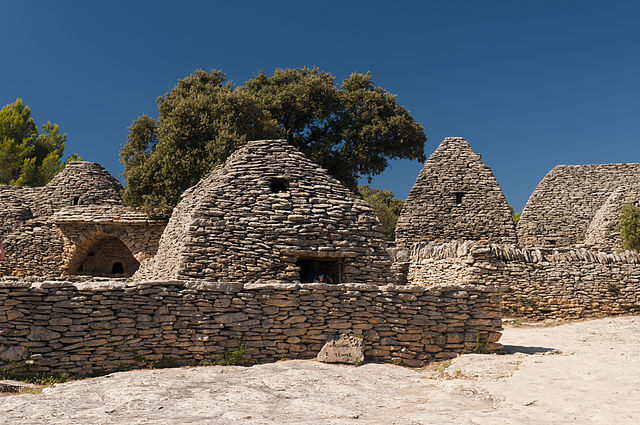
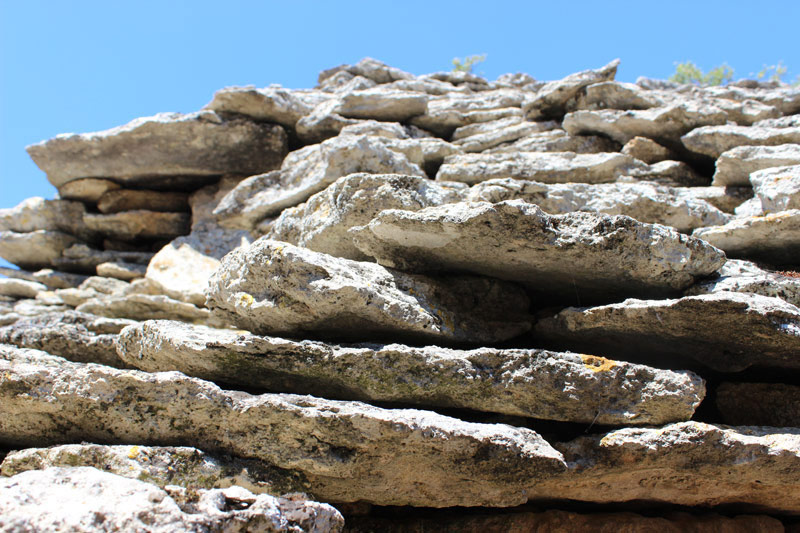
The construction of these huts showcases an incredible mastery of stone assembly techniques and resourcefulness. The most intricate structures are the result of skilled builders’ craftsmanship. Stones are meticulously placed atop one another, with the upper row consistently extending beyond the lower row, following the principle of the false corbelled vault. Remarkably, these assemblies are achieved without the need for supports or scaffolding, with only a mallet as the essential tool.
To build an average borie, an astonishing 120 tons of stones are required! The construction techniques employed in these huts have remained virtually unchanged since the Neolithic era, making precise dating a challenge. Among the bories in Gordes, the oldest ones date back to the 14th century, while the most recent ones were constructed in the 19th century.
#TimeTravelDelight #AncientArchitecture #VillageOfBories #LuberonExploration #GordesExperience #HeritageDiscovery #UnusualPlaces #DryStoneVillage #RuralHeritage #UniqueStructures #HiddenGems #CulturalExploration #Luberon