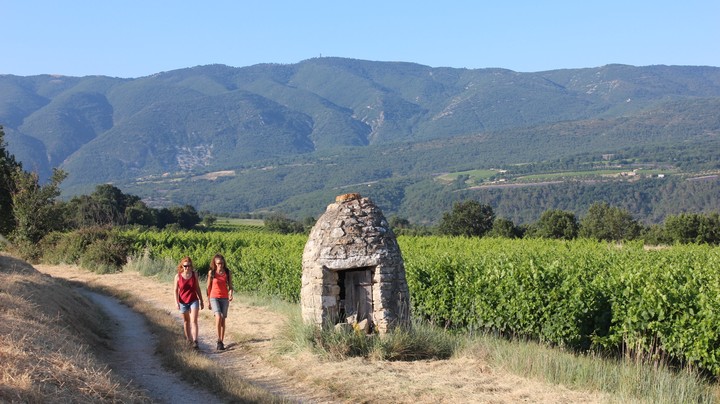

Nestled in the heart of the magnificent Luberon region in Provence, the village of Bonnieux is one of the hidden gems of southern France. Perched on a hill and offering breathtaking views of the surrounding landscapes, Bonnieux is a must-visit destination for history, nature, gastronomy, and crafts enthusiasts.
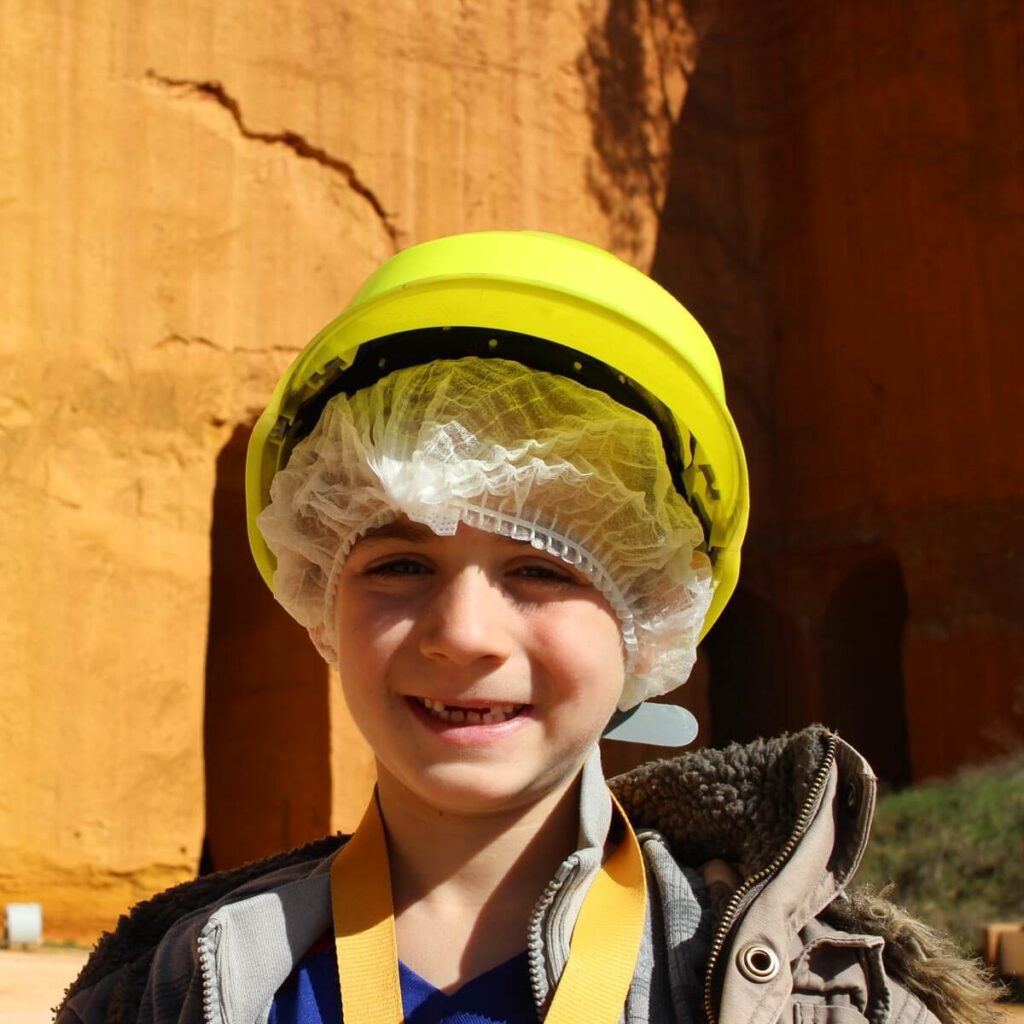
Bonnieux offers visitors a diverse range of landscapes to discover. This village, located near the ochres of the Luberon, is a true paradise for nature lovers, with its magnificent panoramas that tourists appreciate. Its cobbled streets lined with stone houses, pretty squares, and inviting terraces make Bonnieux an ideal place for leisurely strolls and exploration. Additionally, the surrounding valleys boast a palette of colors that will delight all nature enthusiasts. Another reason for Bonnieux’s popularity is its proximity to many activities.
A village steeped in history, Bonnieux was founded in the Gallo-Roman era and remains a fortified village that has preserved many vestiges of its past. The village’s architectural and historical heritage is rich, featuring notable monuments such as the 12th-century Old Church, the 16th-century Hôtel de Rouville (a former private mansion), and the Pont Julien, a Roman bridge spanning the Calavon River.
One of Bonnieux’s significant assets lies in its narrow and winding streets, lined with stone houses that bear witness to the village’s history. The iconic 86-step staircase, connecting the Old Church to the lower part of the village, provides a picturesque setting for leisurely walks and admiration of the historic buildings.
Bonnieux’s Historical Heritage:
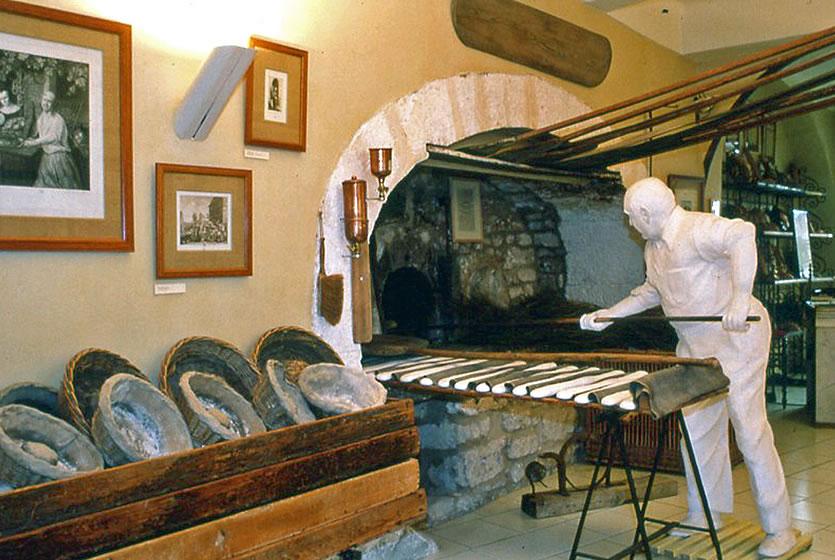
The Bonnieux Bakery Museum takes visitors on a journey through the history of bread, dating back more than 8,000 years. It highlights the social, economic, and symbolic role of bread. Housed in a 17th-century house that served as a bread oven until 1920, the museum was transformed in 1983 by the General Council with the support of the Syndicat des Boulangers and the Chamber of Trades of Vaucluse. The museum explores cultural practices related to bread production and presents the evolution of tools and techniques from the late 17th century to the present day.
12th Century Church atop Bonnieux
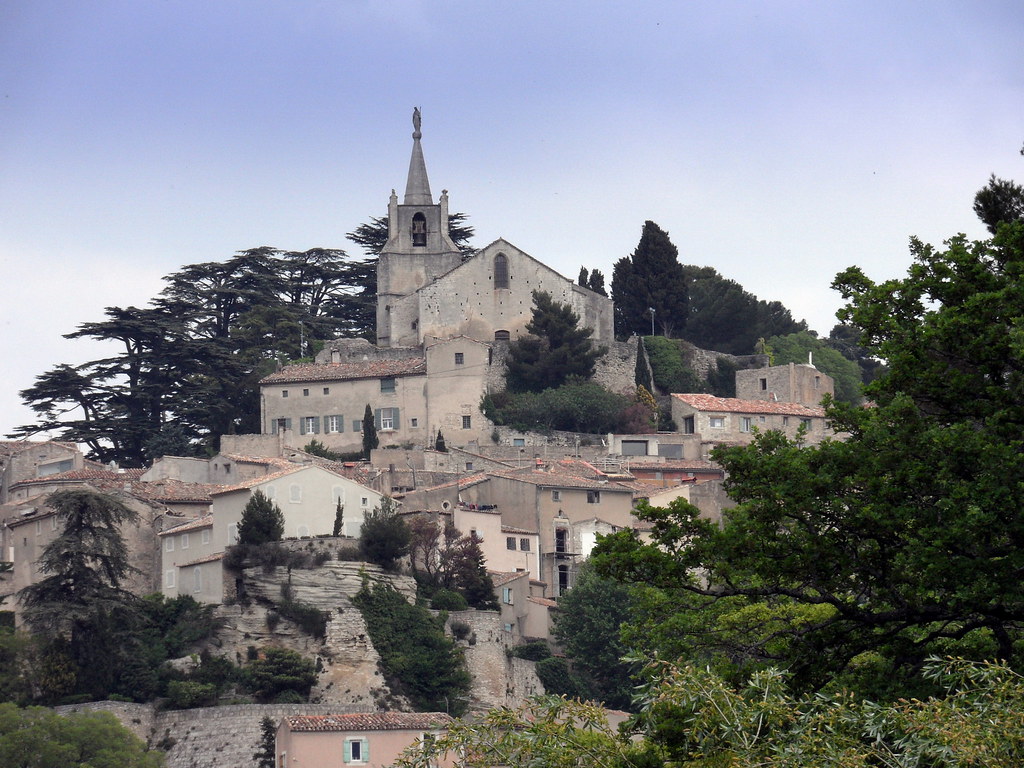
Originally built in the 12th century, the church was expanded in the Provençal Gothic style during the 15th century. Various elements, including the baptistery, were added in the 17th and 18th centuries. The statue of the Virgin was placed atop the steeple of the bell tower in the 19th century. Despite these different extensions, the building maintains a beautiful unity and harmony of volumes. Inside, visitors can admire a fusion of Romanesque and Gothic styles, including a polychrome wooden altarpiece from the 16th century and a 17th-century high altar. The large nave houses a painting attributed to Mignard, representing Christ, the Virgin, and Saint Francis, as well as the Nativity of the Virgin. The church’s four bells constitute a single set, with the two oldest bells classified as historical artifacts. The organ, initially built for the Minimes convent in Marseilles by the famous Isnards, is also worth noting.
The Philip Tower
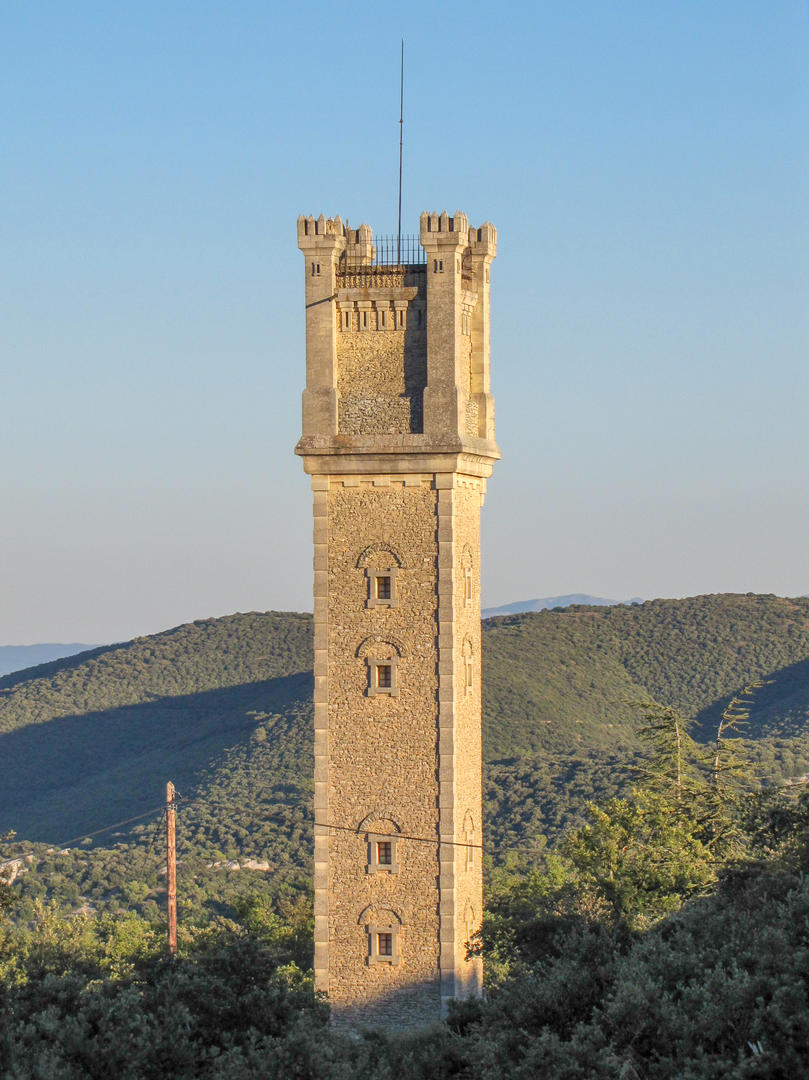
The Philip Tower was erected by Bonnieux resident Philippe Audibert, an artist and dreamer who won the Grand Prix de Rome in sculpture. Starting construction around 1885, Audibert aimed to build a neo-medieval tower to gaze upon the sea. However, the tower is privately owned. Unfortunately, Audibert suffered a stroke at the age of 64, and his brother-in-law inherited the property, leading to the interruption of the tower’s construction. As a result, visitors cannot see the sea, but they can catch a glimpse of the Etang de Berre. The tower attracts the attention of passersby and curious individuals traveling to the Cedar Forest.
The “Remarkable Garden” of the Wolf:
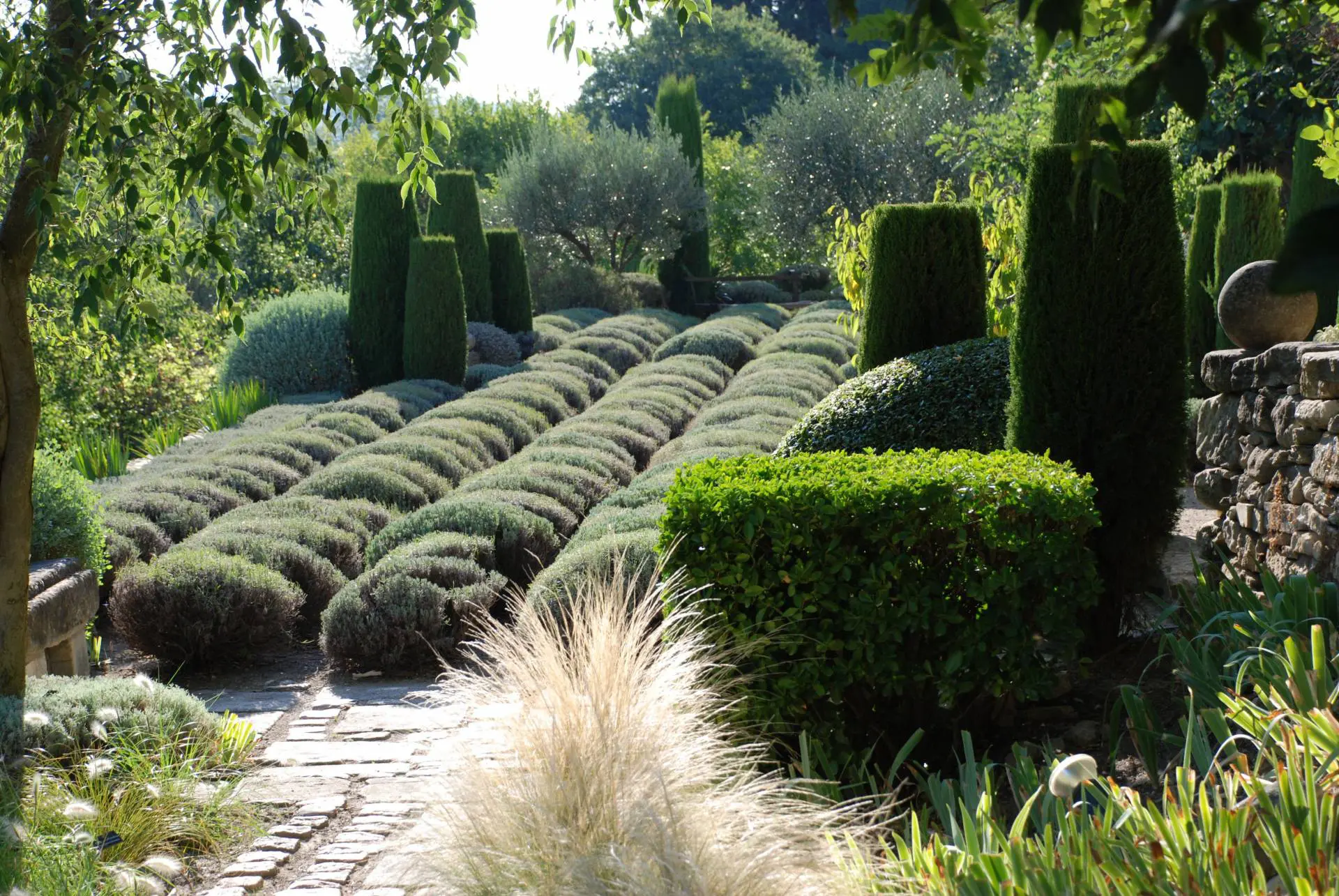
The Jardin de la Louve, classified as a “Remarkable Garden,” is a private 1,600m² terraced garden in Bonnieux, within the Luberon. Between 1986 and 1996, Nicole De Vessian, a stylist at Hermès, shaped the Mediterranean vegetation of this garden. The garden’s forms, colours, plants, and rocks create mysterious corners perfect for contemplation and meditation. Numerous unique benches are available throughout the garden. The rich variety of greens, from silver olive to dark cypress, contrasts beautifully with the prominent rocks and rounded pebbles from the Durance River, justifying its “Remarkable Garden” label. The garden offers visitors the opportunity to experience the harmonious atmosphere of Provence, combined with the characteristic scents of the Luberon, including thyme, lavender, rosemary, trimmed shrubs, and ancient stones.
The Cedar Forest
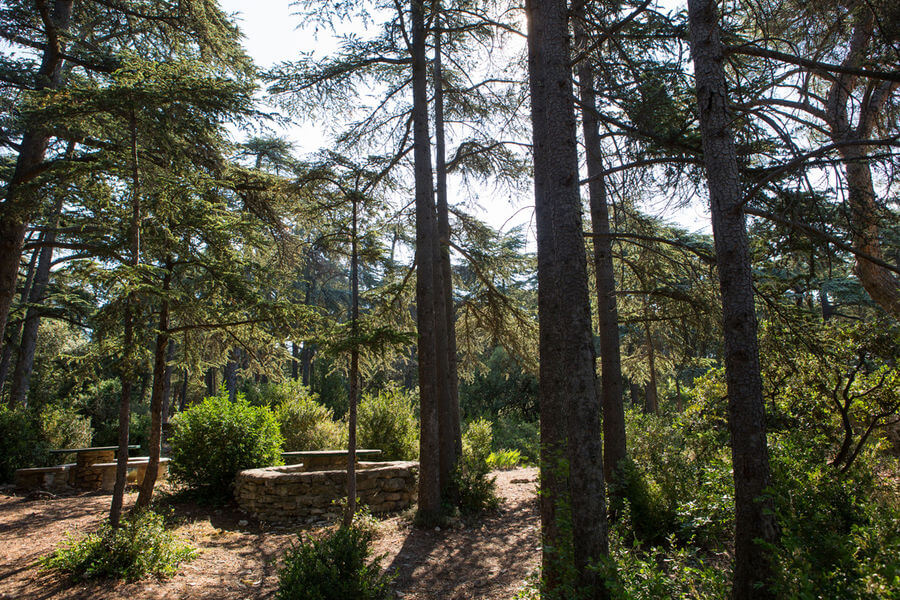
Covering over 250 hectares, the Cedar Forest offers beautiful walks and stunning views of the valleys of the Durance and the Luberon, as well as the surrounding massifs. The grandeur of the nearly two-hundred-year-old trees and the diversity of the flora and fauna provide a soothing and rejuvenating experience. The forest features marked and informative trails, making it an ideal destination for visitors of all ages, including those with reduced mobility and families with strollers. Surrounded by lush landscapes and vineyards, Bonnieux is a true haven of peace for nature lovers. The village is located near the Luberon Regional Natural Park, a nature reserve that is home to exceptional flora and fauna. Two notable sites to visit include:
The Bridge Julien
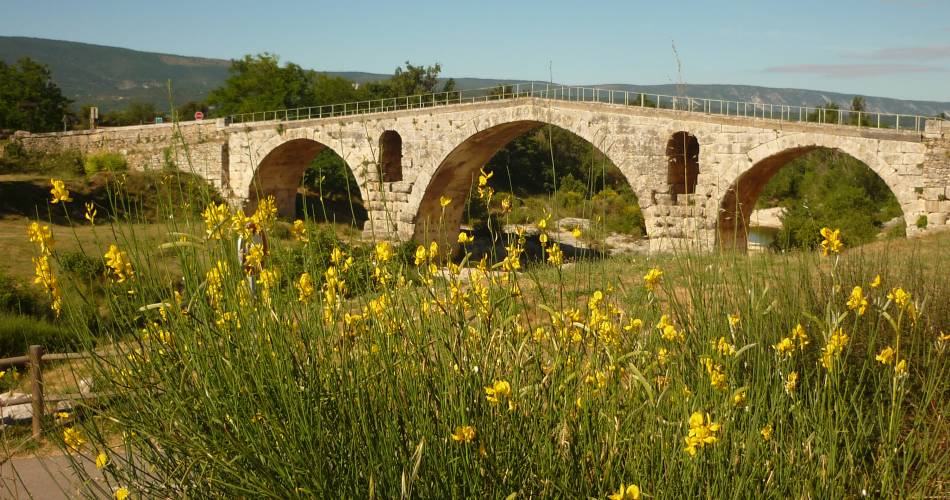
The Julien Bridge: Located 5km from the village in the plain of Bonnieux, the Julien Bridge is a Roman building situated on the Via Domitia, the major Roman road linking Italy and Spain. Constructed in 3 BC, it has withstood the test of time, historical events, and frequent flooding of the Calavon River, making it the best-preserved Roman bridge in Provence. A new bridge was built in 2005 to facilitate traffic and protect this impressive Roman monument. The bridge can be admired during a bike ride, as it is located near the Véloroute.
Gastronomy and Crafts in Bonnieux
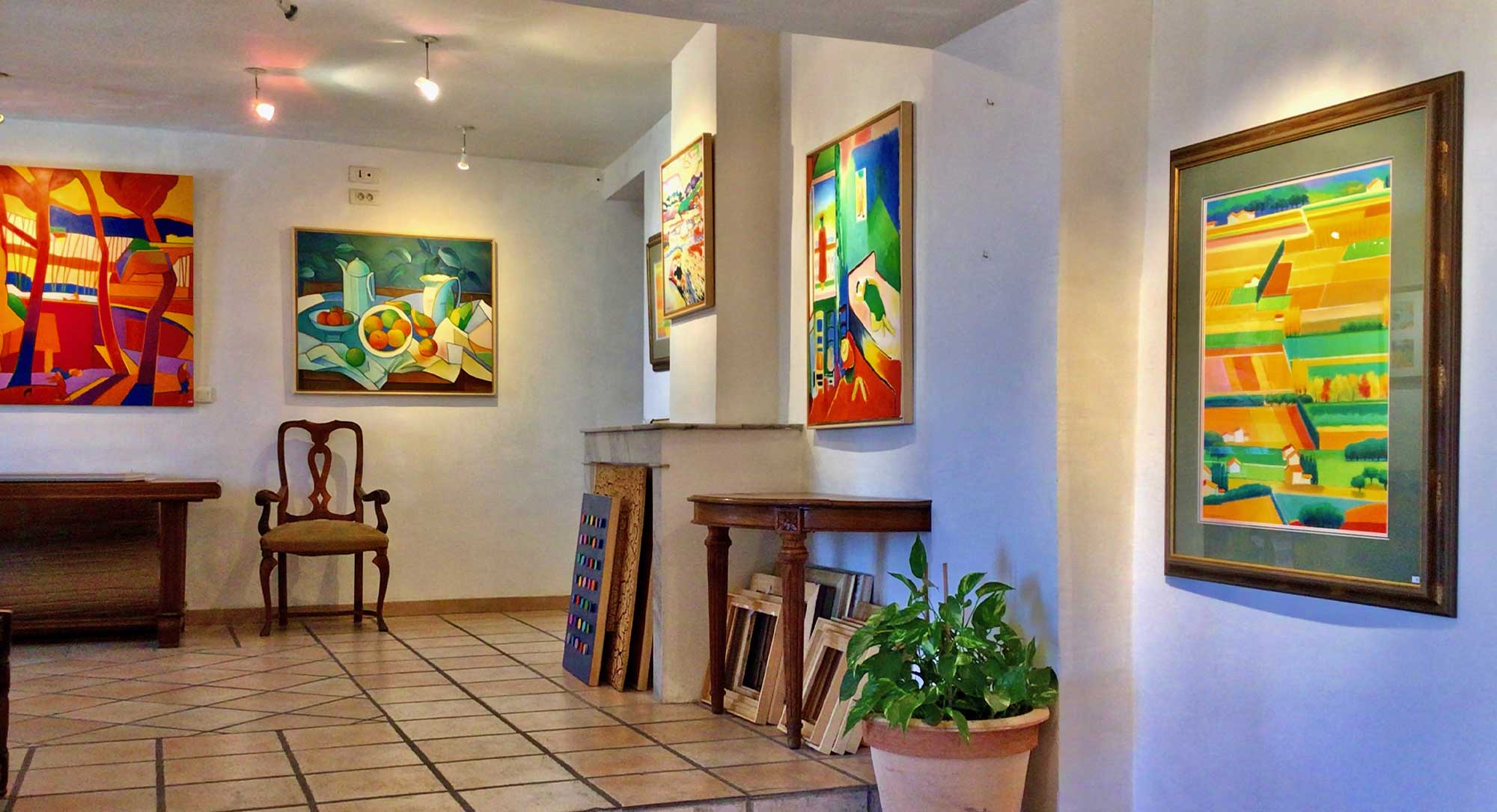
Provence is renowned for its delectable cuisine and local products, and Bonnieux is no exception. The village boasts several restaurants and delicatessens where visitors can savour local specialties, such as Sisteron lamb, Luberon truffles, and Cavaillon melons. Craftsmanship is also highly valued in Bonnieux, with artists’ studios, art galleries, and souvenir shops offering original and authentic creations, often made from local materials.
Throughout the year, Bonnieux hosts various cultural events that showcase the richness of local life. Notable events include the Festival des Musiques d’Été, taking place in July and August, and the Rencontres Gourmandes, a gastronomic event that brings together producers, artisans, and food enthusiasts.
Bonnieux Friday Market
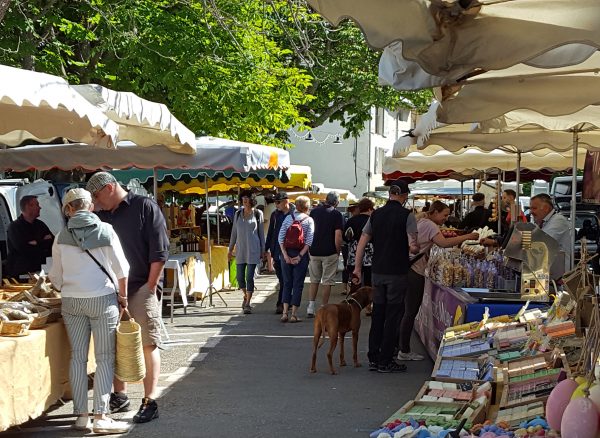
For an exceptional shopping experience, the Bonnieux market is a must-visit. This weekly event takes place every Friday morning from 8 a.m. to 1 p.m., offering the opportunity to purchase local products directly from the producers. Set in a picturesque atmosphere, the market allows visitors to immerse themselves in the vibrant life of Bonnieux.
Art enthusiasts will find themselves in paradise while exploring the wealth of art galleries in Bonnieux. The village is a hub for creativity and showcases a vibrant art scene. Wander through the charming streets and discover a multitude of galleries exhibiting a diverse range of artworks. From traditional Provençal landscapes to contemporary masterpieces, the art galleries of Bonnieux offer a captivating journey through various artistic styles and expressions. Whether you are an art connoisseur or simply appreciate the beauty of visual arts, these galleries provide a wonderful opportunity to immerse yourself in the local artistic talent and discover unique and inspiring creations. Indulge your senses and let the artistic atmosphere of Bonnieux ignite your imagination and appreciation for the arts.
Bonnieux is a charming Provençal village that is well worth a visit. Whether you are a history buff, nature lover, gourmet enthusiast, or simply seeking an authentic experience, you will find something to captivate you. Don’t hesitate to explore the charms of this preserved and radiant destination!