The Cistercian order
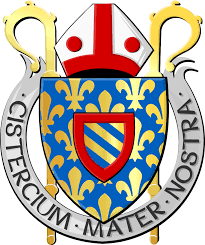
Before we talk about the Sénanque Abbey we must visit the Cistercian order, a reformed branch of the Benedictines, emerged in the twelfth century with the founding of the Abbey of Cîteaux by Robert de Molesme in 1098.
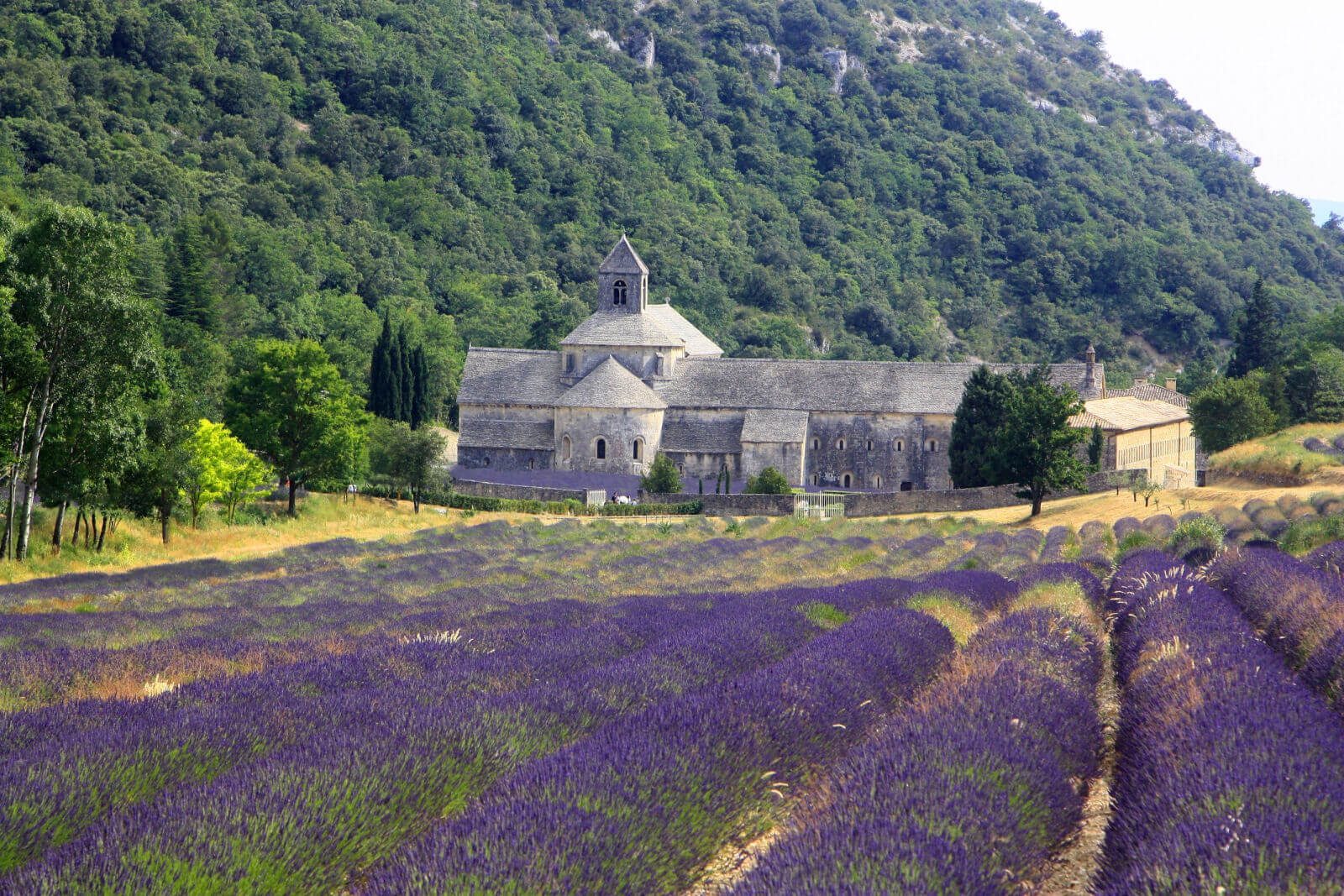
Known for its significant influence in religious history, the order’s emphasis on asceticism, liturgical rigour, and the value of work led to its widespread recognition. This article explores the rich history and architectural splendour of the Cistercian tradition through the lens of Notre-Dame de Sénanque Abbey, a picturesque monastery located in the town of Gordes, Vaucluse.
Exterior Architecture of Notre-Dame de Sénanque Abbey
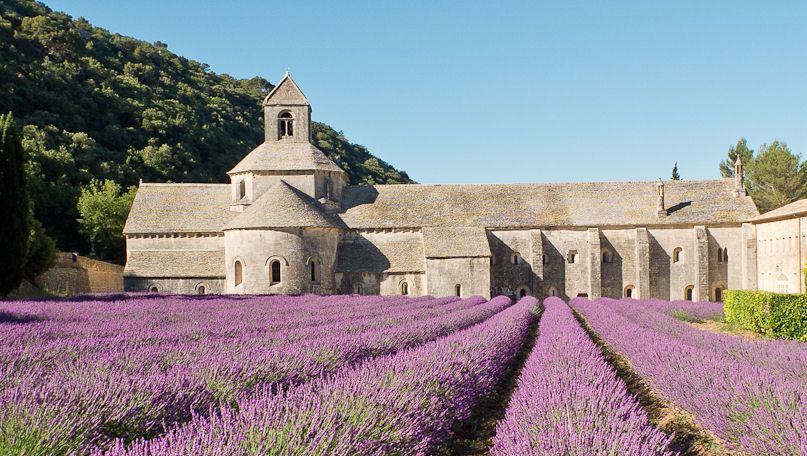
Notre-Dame de Sénanque Abbey, nestled in the enchanting town of Gordes, showcases the characteristic simplicity and beauty of Cistercian architecture. Built in the Romanesque style, the abbey stands in limestone, meticulously cut and assembled in large regular apparatus. Its roofs are elegantly adorned with slates, while its orientation deviates from the norm, with the conodine facing northeast and the main façade southwest.

The abbey’s chevet features a unique semi-circular apse, embellished with a moulded cornice and pierced by three semi-circular arched openings. Each opening is surmounted by an eyebrow-shaped arch, and the apse rests upon the crossing of the transept. The transept, characterised by canted sides, putlog holes, and a projecting cornice with geometric corbels, also supports a small square bell tower. This tower, a hallmark of Cistercian Romanesque architecture, showcases the order’s commitment to simplicity and sobriety.
The side façade of the abbey boasts five powerful buttresses above the aisle, crowned by a projecting cornice adorned with geometric corbels mirroring those of the transept. The main façade, reinforced by two robust buttresses, features two narrow windows with double embrasures and semicircular arches. These windows are surmounted by a large oculus embellished with twelve lobes, maintaining the presence of putlog holes as seen throughout the structure.
Adding to its architectural allure, Notre-Dame de Sénanque Abbey houses a Romanesque cloister with galleries adorned with relief arches. These arches encompass triplets of semicircular arcades supported by columns topped with capitals featuring intricate water leaf designs.
The Monks’ Endeavours
Currently, six dedicated monks reside at Notre-Dame de Sénanque Abbey, diligently continuing the work of their predecessors. Their activities encompass two key sectors: agriculture and the reception of the retired in the hospitality industry. Lavandin cultivation has been a significant focus since the late 1960s. This hybrid variety, a cross between true lavender and aspic lavender, is propagated through cuttings due to its sterility. Lavandin’s blooming season begins in late June, and the harvest takes place under the radiant July sun. The collected stems and flowers are then distilled at the monastery’s facility, producing exceptionally pure and natural essential oil.

Notre-Dame de Sénanque Abbey stands as a testament to the profound spiritual heritage and architectural elegance of the Cistercian order. Its Romanesque features, characterised by simplicity and harmonious design, evoke a sense of tranquility and awe. As the monks continue their dedicated work, the abbey remains a cherished haven for the retired and a captivating testament to the enduring legacy of the Cistercians.